Deposits & No-Shows
Should Your Salon Charge a Deposit for Appointments? When It Works and How to Introduce It
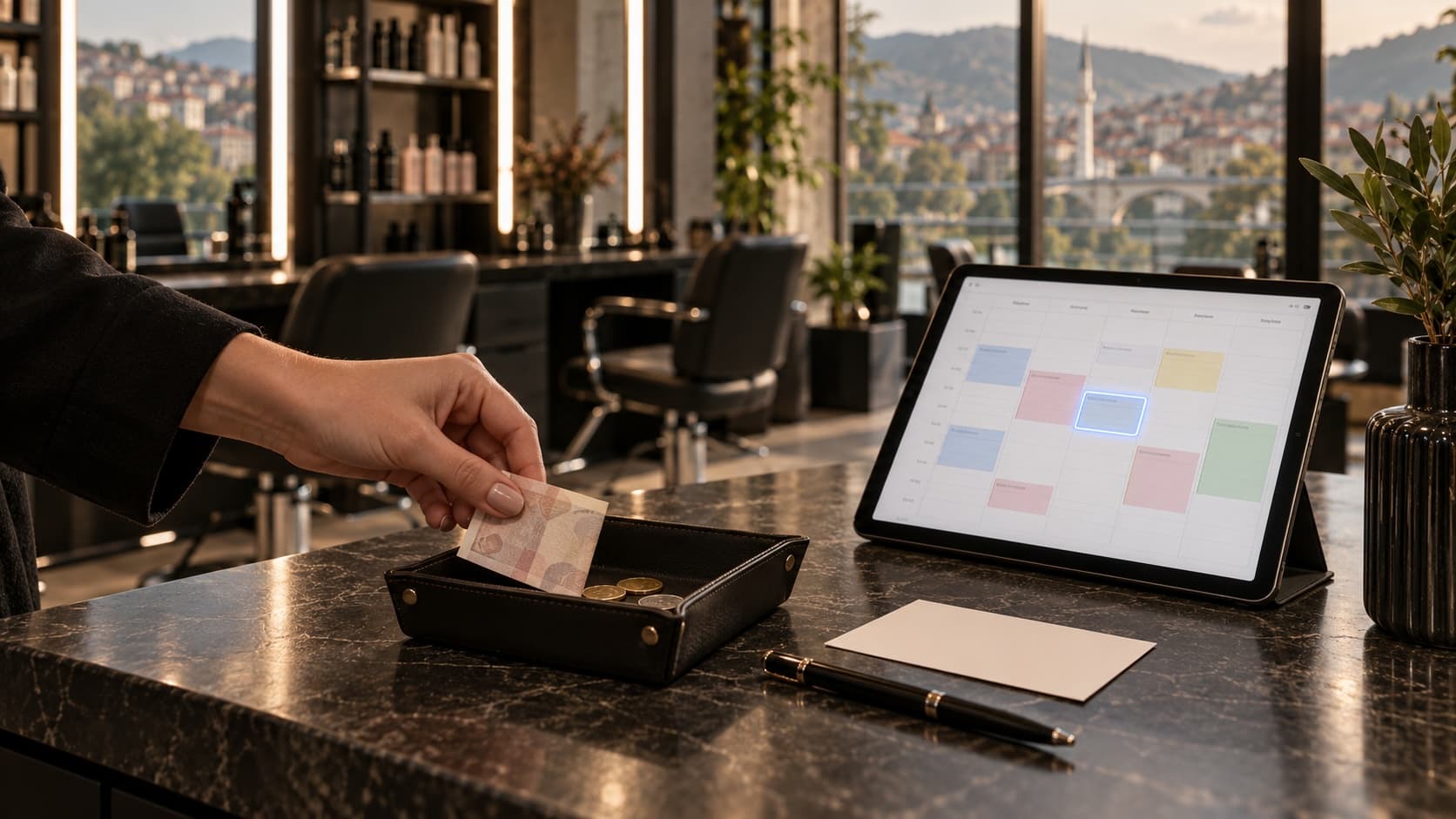
“If I ask for a deposit, they’ll just go somewhere else.” We hear it from almost every salon owner thinking about deposits. The fear makes sense: every client was hard to win, and a deposit can sound like distrust.
Then Saturday comes. The 10 AM color client doesn’t show up or text. Two hours sit empty, the color is mixed, and you turned away two people who called on Friday for that slot.
So, should salons charge a deposit for appointments? For the right services and the right clients — yes. A deposit isn’t a penalty; it’s how both sides take the booking seriously. Here’s when it works, how much to ask, and how to introduce and collect it.
Key insight: A client who walks away over a $25 deposit usually wasn’t one you’d have kept anyway — and an empty two-hour slot costs far more than any “no, thanks.”
When a salon booking deposit makes sense — and when it doesn’t
There’s no one-size-fits-all rule. The same salon can require a deposit for a balayage and skip it for a men’s cut.
When to ask for one
- Long or expensive services. Color, highlights, hair and lash extensions, tattoos, longer treatments. A rough line: anything over 60 minutes or over $80 — a no-show there blocks a big chunk of the day.
- New clients. No shared history, and first-time clients are the most likely to no-show. A deposit filters for serious bookings — it isn’t a barrier.
- Clients who’ve already no-showed once. No need to ban anyone. A simple “Of course — for this one I’ll need a deposit to hold the slot” does the job.
- Peak times. Friday afternoons, Saturdays, the weeks before the holidays, prom and wedding season. Slots you could fill three times over — where an empty hour costs the most.
When to skip it
- Quick, cheap services. For a $20 men’s cut or a brow wax, a deposit creates more friction than it’s worth.
- Loyal regulars. The client who’s come every six weeks for five years doesn’t need to prove anything; lumping her into the rule risks offending her.
- When nobody in your niche asks. If you’re the only barber in town asking for money up front on a $20 cut, you’re sticking out, not setting a standard. Start with confirmations and reminders instead.
How much to ask: a percentage or a flat amount
Two approaches work:
- A percentage of the service price: usually 20–30%. On a $150 color, that’s $30–45.
- A flat amount: for example, $25 on any service over an hour. Easier to explain and remember.
Big enough that the client feels committed, small enough that it doesn’t feel like a risk.
Non-refundable or transferable? The best balance for most salons:
- rescheduled 24 hours ahead or more → the deposit moves to the new appointment;
- cancelled later, or a no-show → the deposit covers part of the lost time.
Prices are illustrative — adjust to your own menu:
| Service type | Typical price | Suggested deposit |
|---|---|---|
| Men’s cut, brow wax | $15–30 | No deposit |
| Cut and blow-dry | $40–80 | No deposit (optional for new clients) |
| Color, highlights, balayage | $100–250 | 25% or a flat $30 |
| Lash extensions (full set) | $100–200 | Flat $25 |
| Hair extensions | $400 and up | 30% |
| Tattoo | $150 and up | 30% or a flat $50 |
| Facial or massage over 60 min | $80–150 | Flat $25 |
How to introduce a deposit without losing clients
How you roll out the rule matters more than the rule itself. These seven steps get the least pushback:
- Announce it in advance. Two to three weeks before: an Instagram story (especially if your clients book through Instagram), a text to regulars, a sign at the front desk. Nobody likes learning about a new rule while they’re booking.
- Explain the “why” in one sentence. “We’re introducing deposits because no-shows leave us with empty slots we could have given to other clients.” Clients understand an honest reason — they don’t understand silence.
- Start with new clients only. Regulars won’t even notice. Once it feels routine, extend it to every expensive service.
- Call it “reserving your slot,” not a penalty. “A $25 deposit reserves your appointment — it comes off the price of the service.” Same thing, completely different feel.
- Put it in the booking confirmation. The client should see the condition when they book and in their confirmation — not for the first time at the front desk.
- Be consistent. If you ask one client and not the next, the rule loses meaning. Write it into a clear no-show and cancellation policy the whole team knows by heart.
- Allow one free reschedule. Life happens. One free reschedule keeps good clients and removes the main argument against deposits.
How to ask clients for a deposit and actually collect it today
Many salons get stuck here because online payments aren’t always an option. You don’t need them:
- Bank transfer or a payment app. Send your payment details with the booking; the client sends $25 and texts you a screenshot. The slot is confirmed when the money lands.
- Cash at the previous visit. Regulars who book their next appointment while still in the chair leave the deposit right there.
- A note on the appointment. Whatever the method, write it on the booking: “Deposit $25 — paid Sept 12.” When the client arrives, it comes off the price and nobody argues.
It’s manual and needs discipline. But it works tomorrow, costs nothing, and is enough until online payments become the norm.
How Buky helps with deposits and no-shows
Buky doesn’t collect deposits automatically today. Online payments and deposits are planned — they’re listed as “Payments and deposits (when available)” on our pricing page. But what Buky already does removes most of the reason you’re thinking about deposits:
- Automatic booking confirmation. The moment a client books through your link, they get a confirmation — the booking is official from minute one.
- SMS and email reminders. A reminder goes out before the appointment (say, 24 hours ahead) without you typing a word. That cuts no-shows by up to 50% — fewer people to ask for a deposit.
- Client history. The client overview shows whether someone is brand new or has been coming for years — so you know whether your deposit rule applies.
A deposit is your seat belt; automatic reminders are why you need it less often.
FAQ
Is it legal to charge a deposit for a salon appointment?
Deposits are standard practice in service businesses and generally fine as long as the terms are clear before the client books. This isn’t legal advice — if unsure, check your local consumer protection rules or ask your accountant.
What if a client cancels for a valid reason?
Move the deposit to the new appointment, no debate. A deposit exists to stop silent no-shows, not to profit from cancellations — and illness or a sick kid isn’t that.
Do I refund the deposit if I cancel the appointment?
Yes, always, in full — or move it to a new date if the client prefers. A rule that only works one way gets around fast and costs you more than any deposit.
Conclusion: deposits don’t scare off clients — they scare off no-shows
The fear of losing clients is real, but the people who walk away over $25 are usually the ones who would have ghosted anyway. Ask for a deposit on expensive services and new clients, leave regulars alone, announce the rule early, and stick to it. Then let automatic reminders handle the rest — the real cost of no-shows is far higher than one awkward sentence about a deposit.
Try Buky free for 14 days and cut no-shows with automatic confirmations and reminders – no credit card, no commitment.