Client Expectations
How Clients Expect to Book Appointments (and What Happens When They Can't)
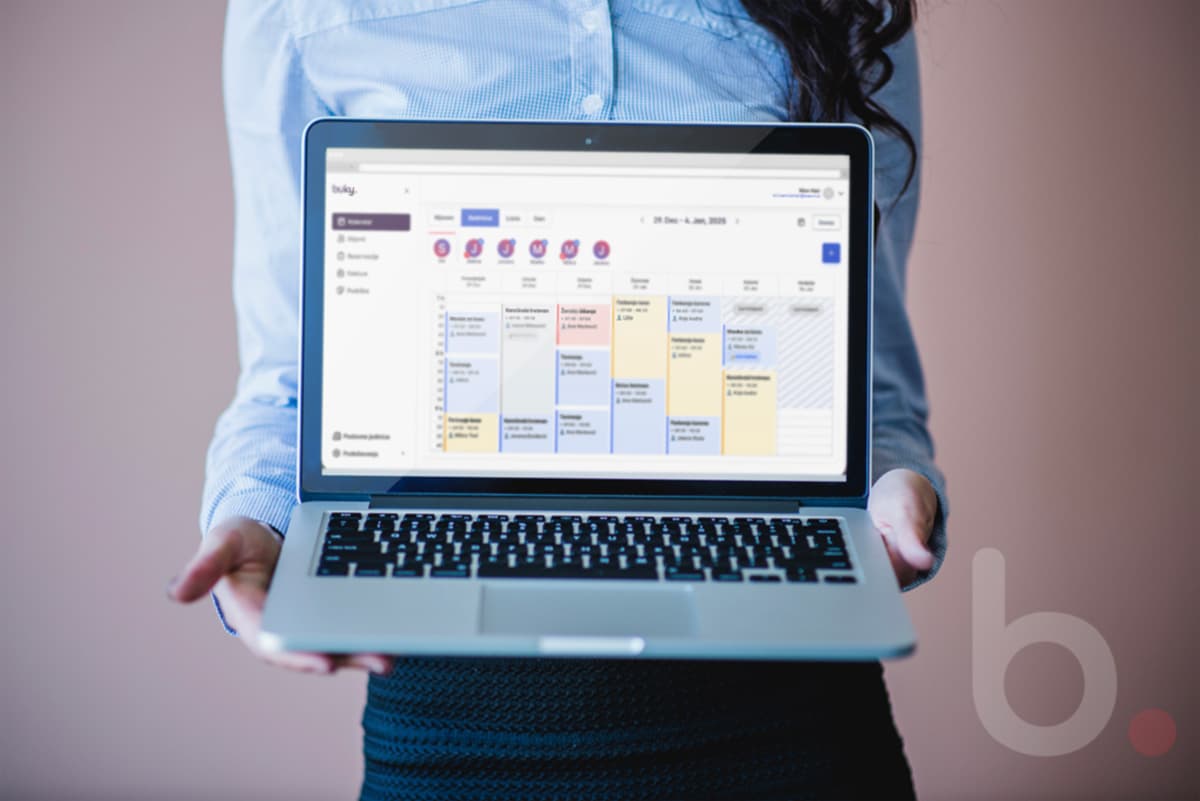
Client habits have changed quietly. Without announcements. Without explanations. They simply happened.
Today, people order food, buy tickets, and book accommodation in just a few clicks. In that context, booking a salon appointment is no longer seen as a special arrangement, it’s expected to be a simple, accessible service.
When appointment scheduling depends exclusively on phone calls and messages, a gap often appears between what clients expect and what the salon can realistically provide. This article explains how clients expect to book appointments today, and what happens when that option isn’t available.
How has the client experience changed?
The client experience no longer begins inside the salon. It starts much earlier - the moment someone decides they need a service.
At that point, clients aren’t thinking about opening hours, breaks, or busy schedules. They’re thinking about one thing: Can I book this quickly and easily?
For clients, appointment booking should be:
- simple
- clear
- available at any time
- without extra explanations
When this isn’t the case, the first obstacle appears in the client experience — even if the salon offers excellent service.
Client expectations today aren’t unrealistic
You often hear: “People have become impatient.” In reality, clients have simply gotten used to systems that work.
If a client has to:
- wait for a message reply
- call multiple times
- adjust to someone else’s schedule
There’s a high chance they’ll give up or book elsewhere. Not because they dislike the salon, but because the booking process became a barrier.
It’s important to say this clearly: Clients aren’t asking for special treatment. They’re asking for clarity.
What happens when booking isn’t available when it matters most?
One of the most common scenarios looks like this:
A client has free time in the evening or during a work break. They try to book an appointment. There’s no response. They’re told someone will “get back to them later.”
Later often means:
- tomorrow
- the day after
- or never
At that point, the client has already made a different decision.
Appointment booking isn’t just a technical step - it’s part of the overall customer experience. When that part doesn’t work, the entire service loses value, regardless of the quality of work in the salon.
The salon experience begins with a sense of certainty
Clients want to know that their appointment is:
- recorded
- confirmed
- remembered
When booking relies on messages and phone calls, uncertainty often appears. Clients wonder whether the appointment was written down, whether something changed, or whether they need to remind the salon.
This creates tension - for both clients and staff.
Clear, structured booking builds trust. Clients arrive more relaxed, more punctual, and more willing to return.
Why clients complain less and leave more often
Most clients won’t say that booking was complicated.
They simply won’t come back.
From their perspective, choices are plenty and time is limited.
When booking is difficult:
- the experience ends before it even begins
- the salon receives no feedback
- the owner never knows why the client didn’t return
This is one of the quietest and most expensive problems in service-based businesses.
What salons often misunderstand
Many salon owners believe clients want personal contact and conversation. And that’s true — during the service, not during booking.
Clients value conversation, advice, and connection, but they don’t want appointment booking to feel like a task. When that process is simplified, relationships actually improve, and communication becomes more meaningful.
How can client expectations be met without losing personality?
Introducing an online booking system doesn’t mean losing warmth or a personal approach. Quite the opposite.
When the technical side of the job no longer adds daily pressure, there’s more space for what clients truly value: attention and presence.
Salons that adapt to modern booking habits often notice:
- fewer cancellations
- better punctuality
- higher client loyalty
Not because they changed something big - but because they removed friction.
Conclusion
Clients today don’t think about how a salon manages appointments. They think about how easy it is to access the service.
When booking isn’t possible at the moment of need, decisions are often made silently and instantly.
Client expectations aren’t a threat to traditional ways of working - they’re an invitation to adapt. When booking is simplified, both clients and salons benefit.
If you want your salon to keep up with modern life, the first step isn’t changing your service - it’s changing how people reach it. Buky is here to make that step simple, clear, and stress-free.