Appointment Booking
Why Appointment Scheduling Shouldn't Depend on Phone Calls and Messages
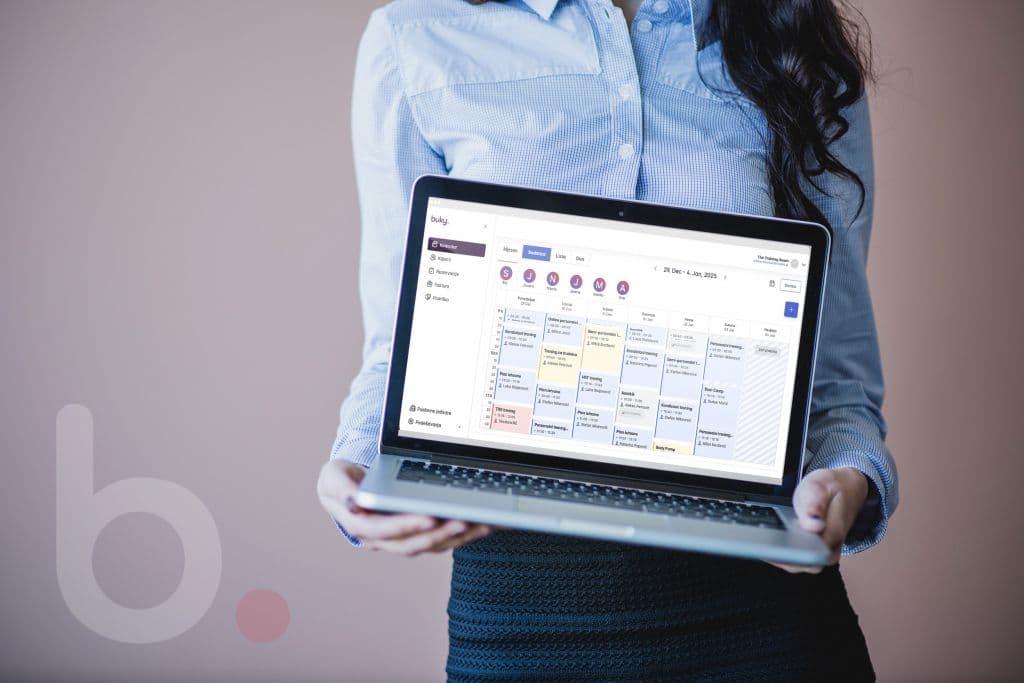
If you work in a salon, clinic, studio, or offer private lessons, there’s a good chance your day starts and ends the same way: with messages. One arrives while you’re with a client, another while you’re washing hair, a third during your break, and a fourth in the evening when you think you’re finally done for the day.
The phone rings at the worst possible moment, messages pile up, and you keep running the schedule through your head, hoping you didn’t forget something.
If this sounds familiar, you’re probably already thinking: “This feels like my life.”
This article isn’t about you doing something wrong. You’re doing the best you can within a system that actually makes your job harder.
Relying on traditional phone calls and messages for appointment scheduling is a flawed approach that ultimately generates more long-term complications. This blog post explores those issues.
You’ll learn where the chaos really starts, why it keeps repeating, and how to bring order into your day without changing your working style or your relationship with clients.
What does appointment scheduling look like in real life?
In practice, scheduling appointments is rarely neat and tidy. Someone messages you on Instagram. Someone calls. Another client sends a SMS message. Someone else prefers WhatsApp because that’s what they’re used to.
You reply when you can. You write things down in a notebook or on your phone. Sometimes you postpone replying because you’re busy, then come back later and try to remember who asked for what.
Phone-based scheduling requires your full attention, and most of the time, you simply don’t have it because you’re working with people.
The problem isn’t you. The problem is the system.
Phones and messages were never designed to manage appointments for salons or service-based businesses. They’re an improvised solution that people tolerated for years because there was no better option.
When you rely on messages, every appointment depends on your availability, focus, and memory.
This is exactly why solutions like Buky exist - to take over the technical side of scheduling and leave you free to work with people, not messages and missed calls.
Before we had Buky, it was exhausting to write everything down and remember all the appointments and changes. Clients started asking more and more for reminders, because we’re all so busy these days. This system really took a huge load off - not just with appointments, but with everyday life in general.
- Owner of hairdresser salon ‘Berbernica Bucka’, Banja Luka
This is something we hear from almost everyone who used to manage appointments manually.
Why phone-based scheduling creates pressure instead of security?
Phone scheduling feels personal and direct, but in reality, it often creates stress.
The phone rings while you’re in the middle of an appointment. If you don’t answer, the client thinks you’re unavailable.
If you do answer, you interrupt your work and lose focus. After the call, you return to the client in front of you, while your mind is still holding onto the appointment you just agreed on.
This is where problems start, usually noticed only when a mistake happens.
An appointment is written down incorrectly. A time gets shifted. Two clients show up at the same time.
Phone scheduling relies on memory, and memory is not a system.
When your entire day depends on whether you’re available to answer the phone, scheduling becomes harder over time and creates pressure that has nothing to do with your professional skills.
And this needs to be said clearly:
If this happens to you, it doesn’t mean you’re disorganized.
It means you’re using tools that were never designed for your work.
Scheduling through messages and the illusion of control
Message-based scheduling often feels easier. Messages are written down, you can return to them later, and it seems like everything is under control. In practice, the opposite happens.
Messages arrive, but don’t get written into the schedule because the notebook stayed at the salon that day. One change in an appointment leads to ten new messages. The client forgets what you agreed on, while you scroll through old chats trying to piece everything together.
This often brings a feeling of guilt. Like you’re always replying too late. Like you’re not professional enough - even though you’re working more than ever.
If you recognize yourself here, it’s important to know this: you’re not alone.
This is the reality for most small businesses that work directly with people.
Managing appointments requires a system - not constant improvisation
Appointment management isn’t a side task. It’s the foundation of your business.
When appointments aren’t clear, your workday isn’t clear. When the day isn’t clear, stress increases, mistakes happen more easily, and client relationships suffer.
A scheduling system shouldn’t change how you work - it should support it.
A good system allows clients to book available time slots themselves, while giving you a clear overview of everything happening, without constantly checking messages or missed calls.
When appointments live in one place, the whole team knows what’s going on.
No extra explanations. No overlaps. No moments of wondering if you forgot something.
That’s usually when we hear clients say:
“I honestly don’t know how I worked without Buky before.”
Business organization starts with appointments
Organizing a salon isn’t about discipline - it’s about structure.
You can be responsible, dedicated, and hardworking, but if the system is weak, you’ll feel exhausted.
When appointments depend on phones and messages, the entire business depends on you. That means no real breaks, no clear end to the workday, and no space to grow.
Once you introduce a system that takes over scheduling, something shifts.
Clients receive automatic reminders, arrive on time, and cancel less often. You stop typing the same messages over and over. Everyone knows what to expect and when.
There’s also a sense of belonging. If you see yourself in this story, know that you’re not alone. People who’ve been through the same thing understand how much it helps to have a quiet assistant working in the background.
More and more salon owners are realizing that messages and phone calls can no longer keep up with modern life.
What changes when scheduling no longer depends on you?
When appointment booking no longer depends on your availability, the rhythm of your entire day changes. There are no more interruptions. You can fully focus on the client in front of you, knowing that appointments are being filled in the background. You gain clarity, control, and peace of mind.
Buky wasn’t created to distance you from your clients. Quite the opposite. It’s designed to give you the space to be present, focused, and fully engaged in your work.
By the end of the day, appointment scheduling becomes something that works for you - not against you. Organization doesn’t start with discipline, but with a system that relieves pressure from both the owner and the team.
Clients feel secure knowing their appointment is properly booked.
You feel professional knowing everything is under control.
Conclusion
If all of this sounds familiar and feels like a description of your workday, there is a simpler way to manage appointments, one that doesn’t require changing who you are, only the tool you use.
You’re not doing anything wrong, and this isn’t a radical change.
The old way of scheduling is simply outdated.
For years, phones and messages were the only options. Today, there are solutions that respect your time and your way of working.
Appointment scheduling shouldn’t be a source of stress. It should be support.
With Buky, you get the space to focus on what you love and why you started your business in the first place. Clients are informed. The team is aligned. And you finally have the feeling that someone truly understands what you’re going through.